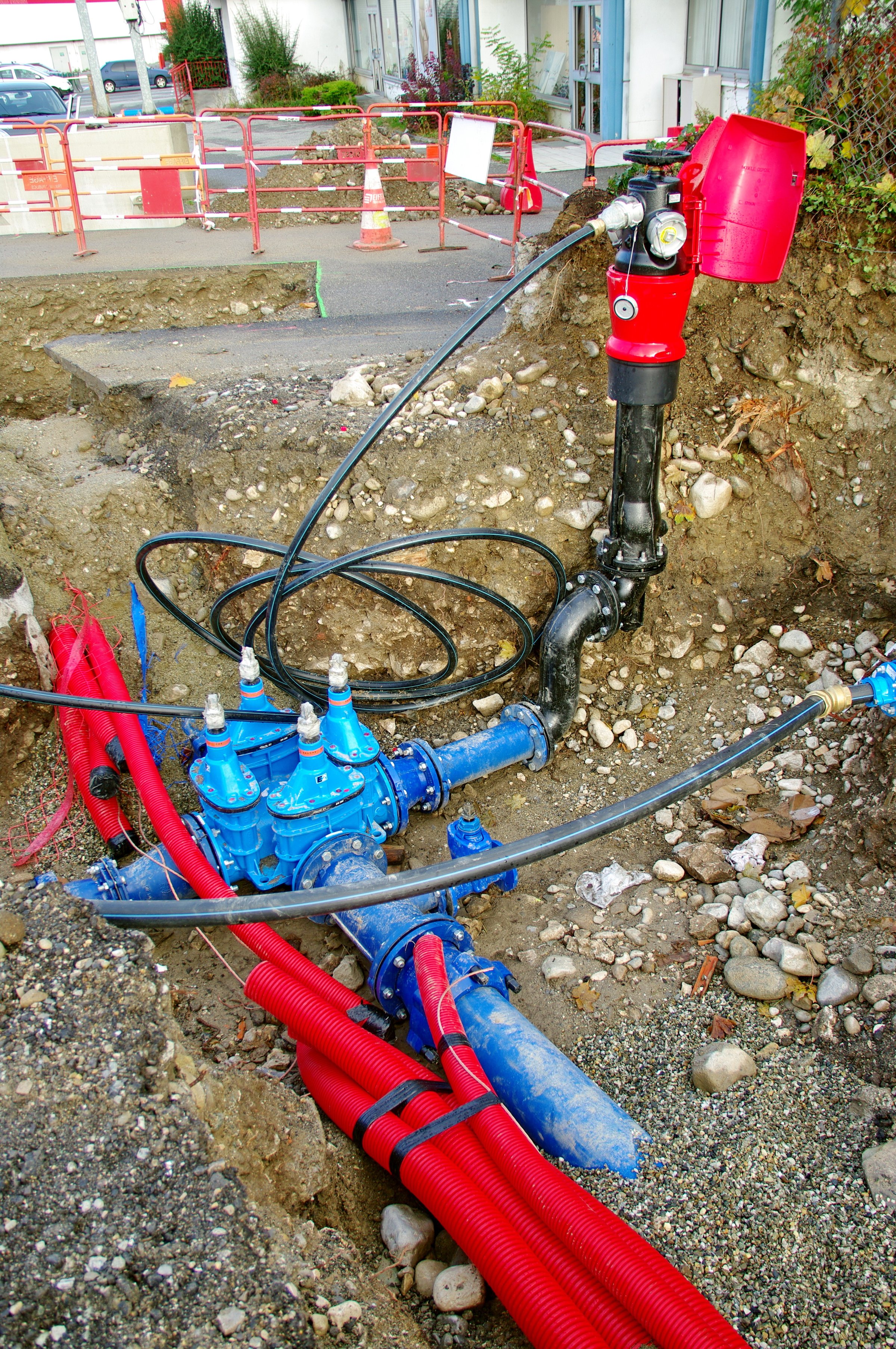
Assess the internal condition of your pipelines without destructive intervention. Diag Réseaux performs camera inspections on sewage and drinking water networks, providing timestamped reports, video captures, and a prioritized rehabilitation plan.
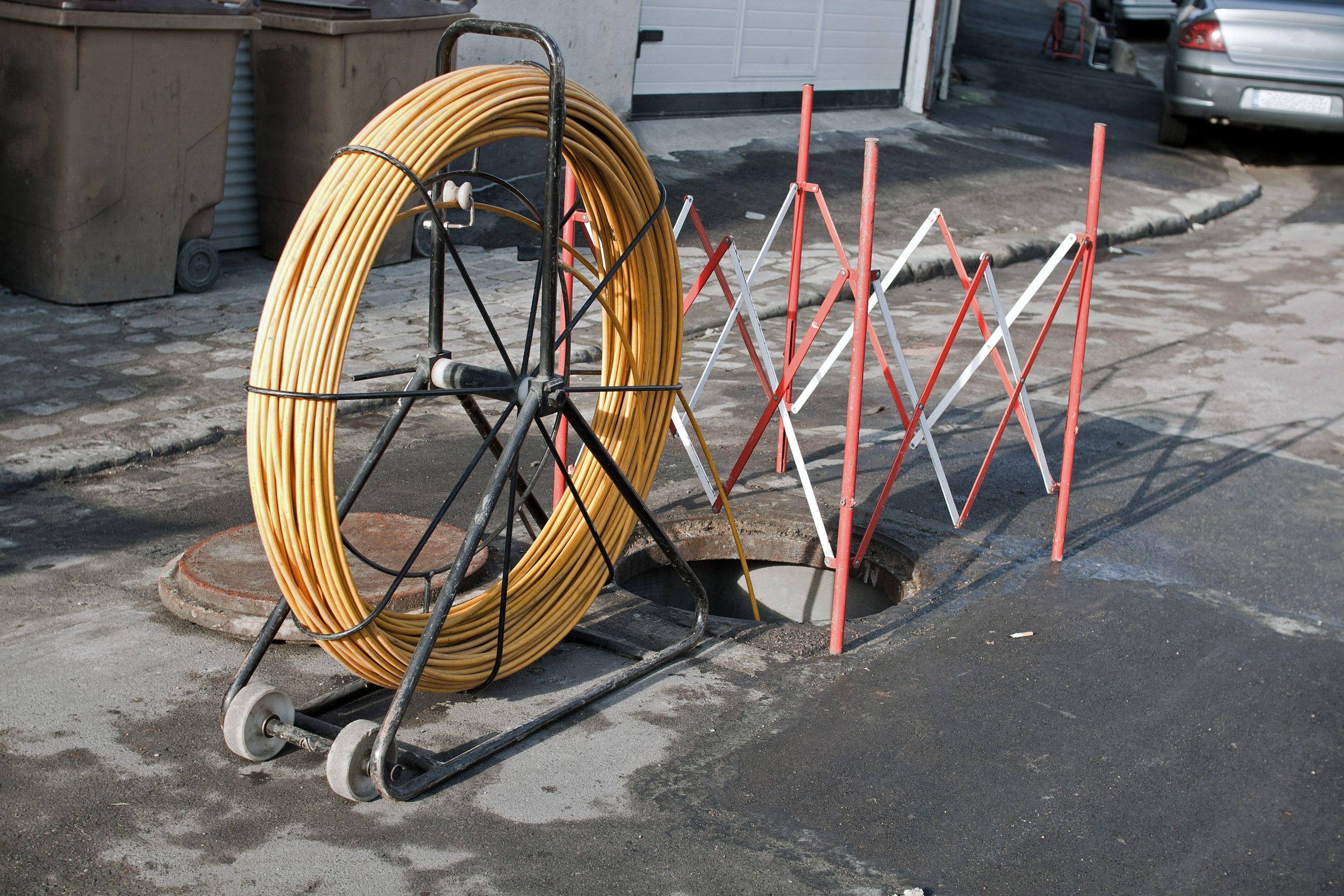
Sewer networks age out of sight. Cracks, joint displacements, reverse slopes, groundwater infiltration, solid deposits, and root intrusion: most issues only become visible on the surface when it is too late, once a road collapse, overflow, or pollution reveals a long-standing malfunction. Intervening at this stage costs several times more than a preventive diagnosis.
CCTV inspection allows for the visualization and qualification of the actual internal condition of collectors without destructive excavation. Each defect is coded according to the NF EN 13508-2 standard and ranked by severity level, enabling the creation of an objective rehabilitation program: spot repairs, lining, replacement, or simple enhanced monitoring. This provides the project owner with a solid technical foundation to manage investments and justify budgetary choices.
In the Caribbean, this diagnosis is particularly strategic as networks face specific constraints: aggressive soils, ground movement, cyclonic stress, and rainwater infiltration during the wet season. Regular inspection, planned according to the criticality of the sections, allows for anticipating failures before they become costly emergencies and extending the lifespan of the structures beyond their apparent condition.
Diag Réseaux uses an all-in-one inspection camera that offers the flexibility needed to cover a wide range of pipelines, particularly suited for pipes from 40 to 400 mm. Observations are recorded, located, and presented in a clear report with videos, captures, and anomaly mapping to assist in decision-making regarding maintenance, cleaning, spot repairs, or rehabilitation — giving the project owner a reliable basis for scheduling interventions.


CCTV inspection via camera — Pipeline traversal with continuous video recording. Identification, timestamping, and location of every anomaly: cracks, fractures, deformations, obstructions, root intrusion, and joint sealing defects.

Defect rating according to national standards — Classification of each defect by type and severity level (from 1 — minor defect to 5 — structural failure). Allows for objective prioritization of interventions.

Wastewater and stormwater inspection — Inspection of sewage and stormwater collectors of all diameters accessible by self-propelled camera (40 to 400 mm).

Drinking water pipe inspection — Checking the internal condition of drinking water supply lines to identify corrosion, deposits, cracks, or structural anomalies.
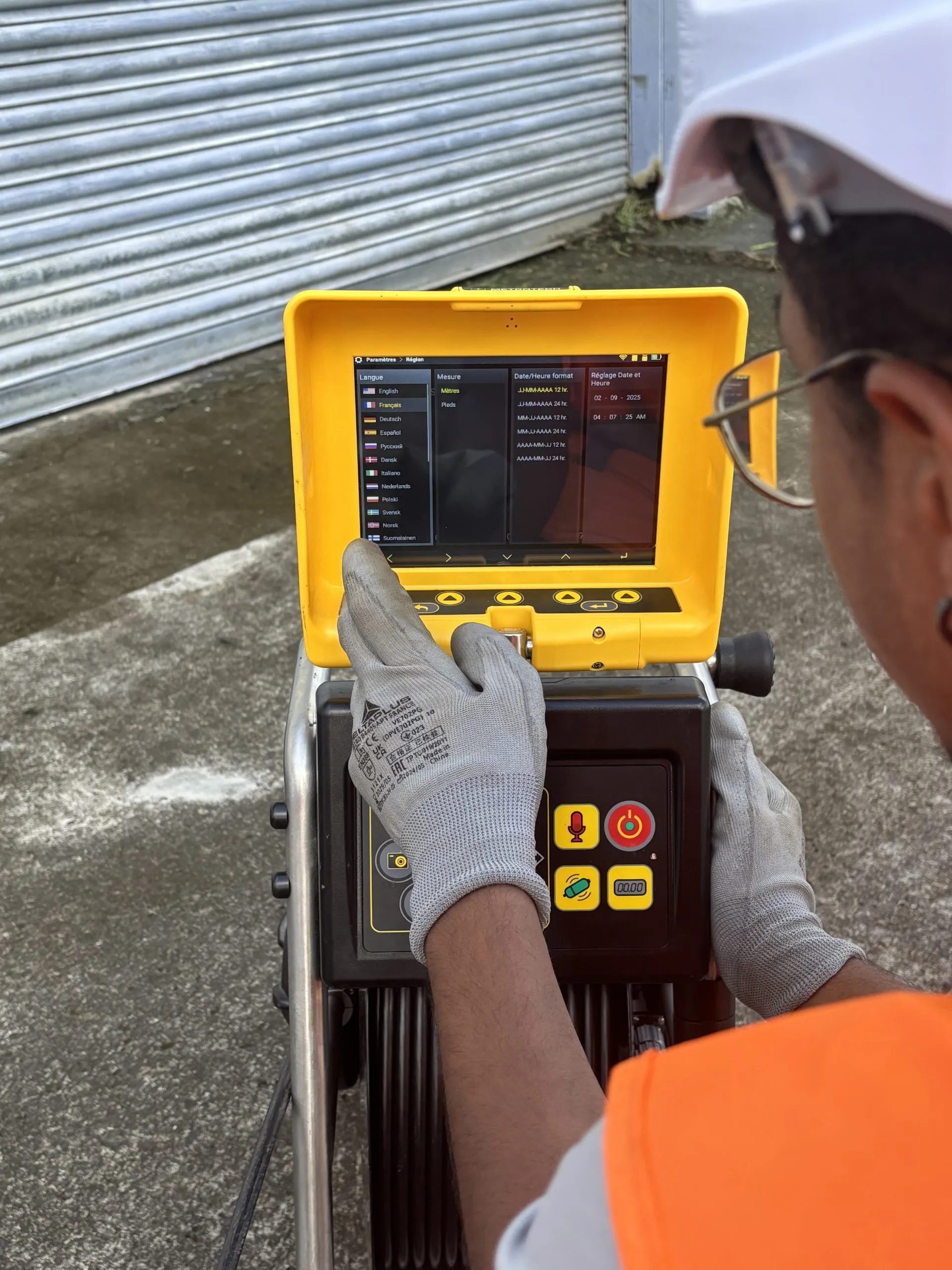
Diag Réseaux, comprehensive network diagnostics.
Diagnostic assessment before rehabilitation program — Objective status report to build a costed and prioritized multi-year rehabilitation program.
Acceptance of new networks — Internal compliance check of collectors after installation, prior to final project acceptance.
Periodic operational inspection — Regular monitoring campaigns as part of operation or preventive maintenance contracts.
Post-incident investigation — Rapid diagnostic following an obstruction, partial collapse, or overflow to identify the cause and determine the scope of repairs.
Timestamped PDF inspection report — Structured document with screenshots of identified anomalies, location in meters from the manhole, defect ratings, and technical comments.

Defect summary table — A summary file of anomalies categorized by section, type, and severity level — easily usable for budget allocation.

Prioritized rehabilitation plan — Technical recommendations by section: structural rehabilitation (lining, sleeving), spot repair, monitoring, or no intervention required.

Inspection video file — Complete recording for archiving, submission to the project owner, or independent verification.
Describe your needs: area of operation, type of networks, and scheduling constraints, and we will get back to you with a tailored study proposal or diagnostic mission.