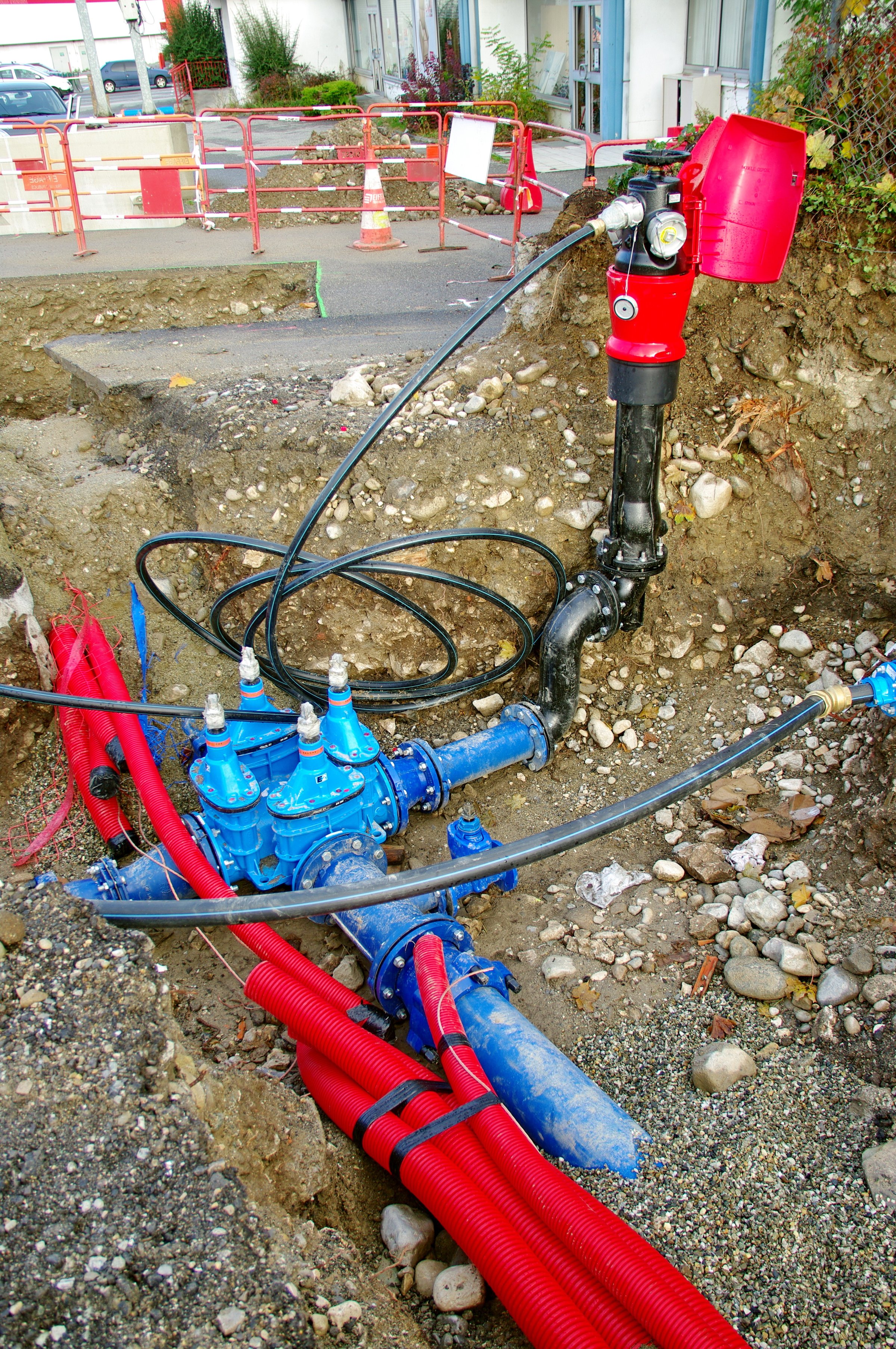
Precisely locate invisible leaks in your drinking water networks. Diag Réseaux uses proven acoustic methods — pre-location, correlation, and ground microphones — to identify losses and enable targeted repairs without exploratory excavation.
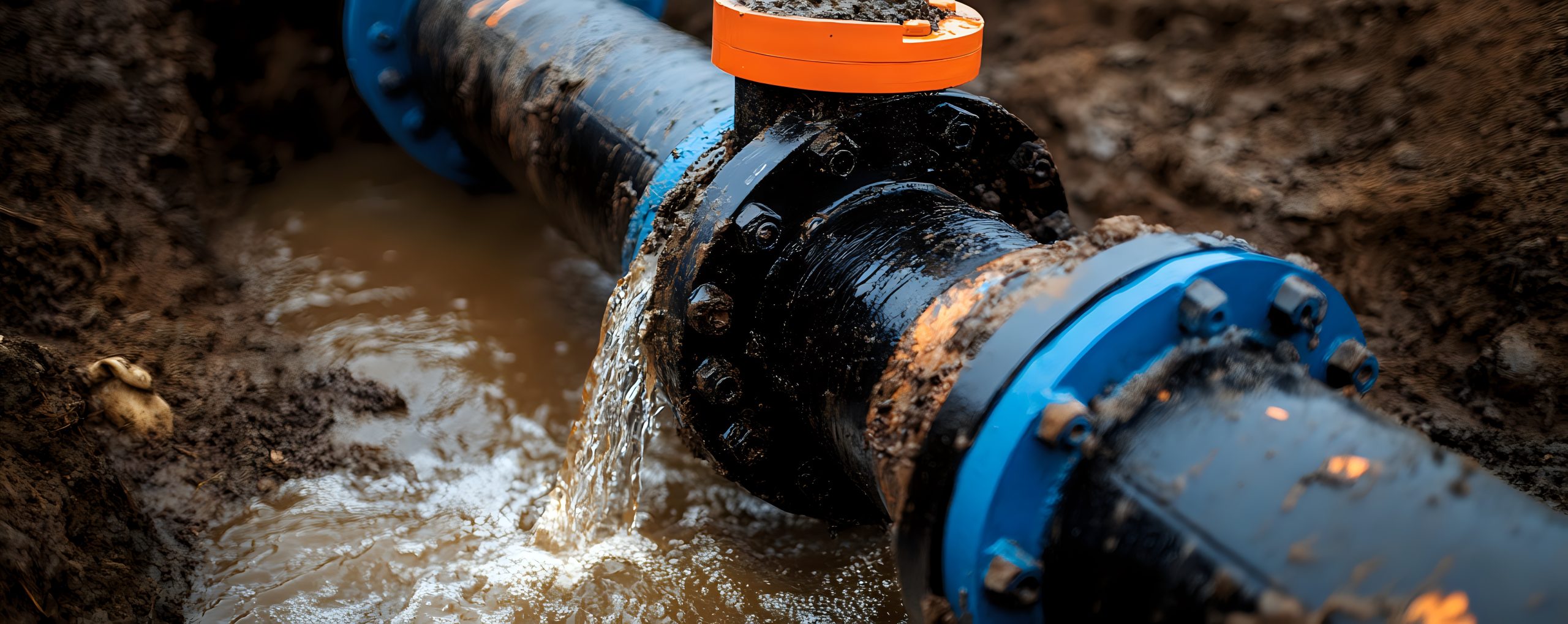
In island territories like Martinique and Guadeloupe, drinking water is a strained resource due to high production costs, limited availability, and aging infrastructure. A drinking water supply network with poor efficiency represents both a direct financial loss for the operator and additional pressure on available resources. Leaks in pressurized pipes are often invisible on the surface, especially in plastic networks buried in permeable soil, where water infiltrates without surfacing. Leak detection allows for the precise location of losses, limits destructive investigations, and ensures repairs are targeted at the right spot — thereby improving network efficiency and reducing non-revenue water volumes.
The average efficiency of drinking water networks in mainland France is approximately 80%. In the French West Indies, some sectors show efficiency rates below 60%, or even lower. The Grenelle II law sets a minimum efficiency threshold below which operators are required to develop a master plan for loss reduction. Depending on the site configuration, the intervention combines correlation hardware and ground-listening equipment to refine the location and provide a reliable diagnosis for the operator or project owner.


Acoustic pre-location — Listening for leak noises transmitted through the ground over long distances using high-quality piezoelectric microphones. This allows for the rapid identification of suspicious sections across an entire sector before initiating more precise investigations.

Acoustic correlation — Two sensors placed on either side of a section measure the propagation delay of the leak noise. The correlation calculation locates the leak within a few decimeters, significantly reducing the footprint of repair excavations.

Ground listening — High-quality piezoelectric microphones — Direct listening to vibrations transmitted through the ground above the pipe. A confirmation and precision technique, particularly effective on plastic pipes where correlation is more complex.

Night-time sectorization — Analysis of night-time flow rates by sector to identify and quantify losses before beginning field location investigations.
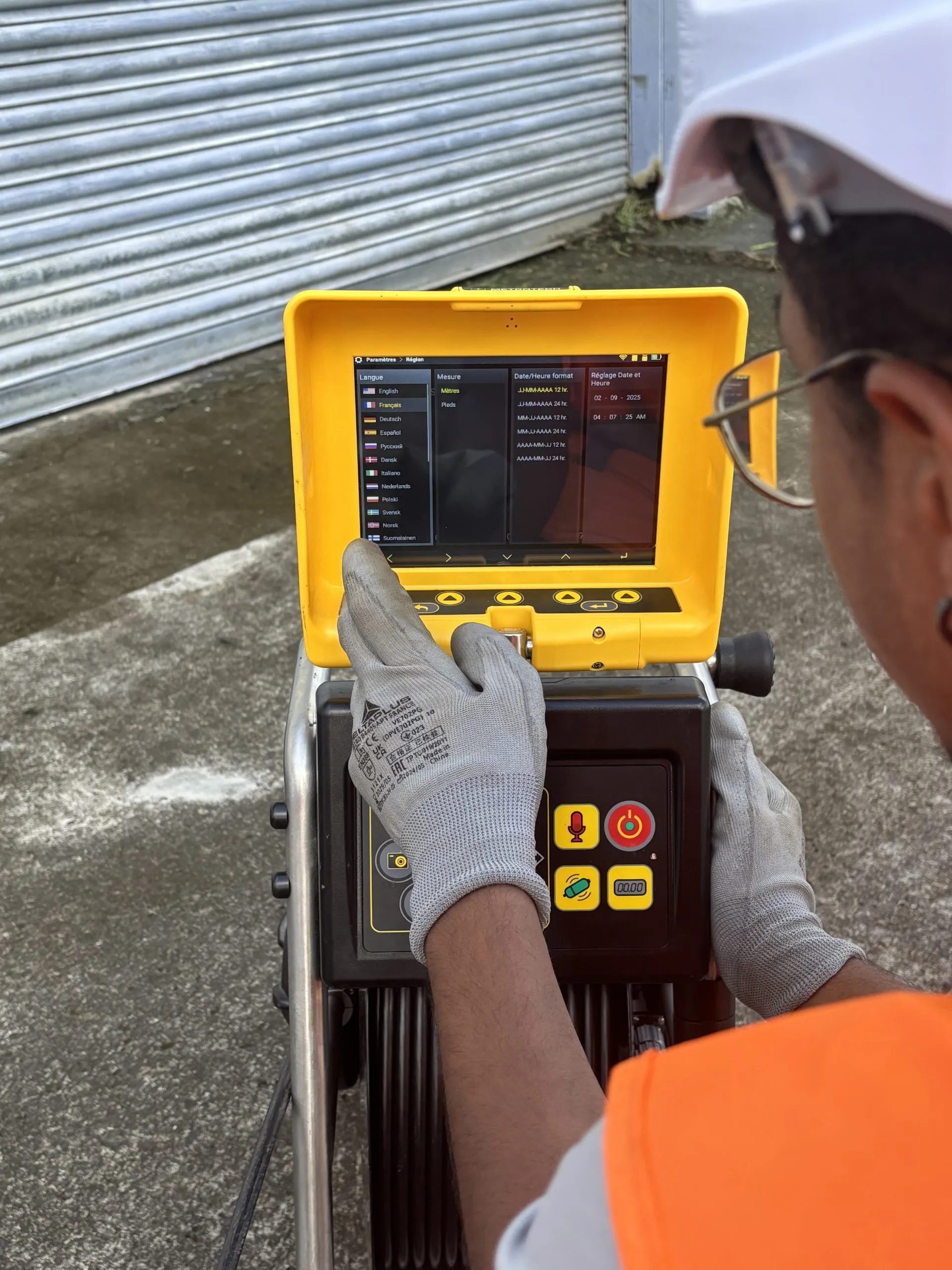
Diag Réseaux, comprehensive network diagnostics.
Campaigns for low-yield areas — Targeted investigation of sectors with high non-revenue water (NRW) volumes identified through sectorization.
Systematic renewal campaigns — Leak detection integrated into multi-year maintenance and renewal programs for water supply networks.
Pre-repair support — Precise localization before excavation to reduce the work footprint and intervention costs.
Diagnostic following an increase in NRW — Rapid investigation to identify the source of a sudden or gradual rise in losses within a specific sector.
Mission report — PDF document with mapping of anomalies, methods used, and a summary of results by investigated section.

Leak location sheets — Precise coordinates for each identified leak point, including a site photo and estimated depth — ready for direct use by repair crews.

Surveyed area map — Annotated map showing suspicious sections, localized leak points, and priority monitoring zones.

Recommendations — Advice on sections to monitor, priority areas for sectorization, and potential improvements to existing measurement devices.
Describe your needs: area of operation, type of networks, and scheduling constraints, and we will get back to you with a tailored study proposal or diagnostic mission.